
Digital Smiles and Human Connection
In our increasingly digital world, communication often happens through screens rather than face-to-face. Video calls, virtual meetings, and online social interactions have become central to modern life. A fascinating new study explores how subtle changes to our digital appearance—specifically our smile—can influence both emotions and the sense of connection we feel with others in virtual environments.
Breaking New Ground in Virtual Communication Research
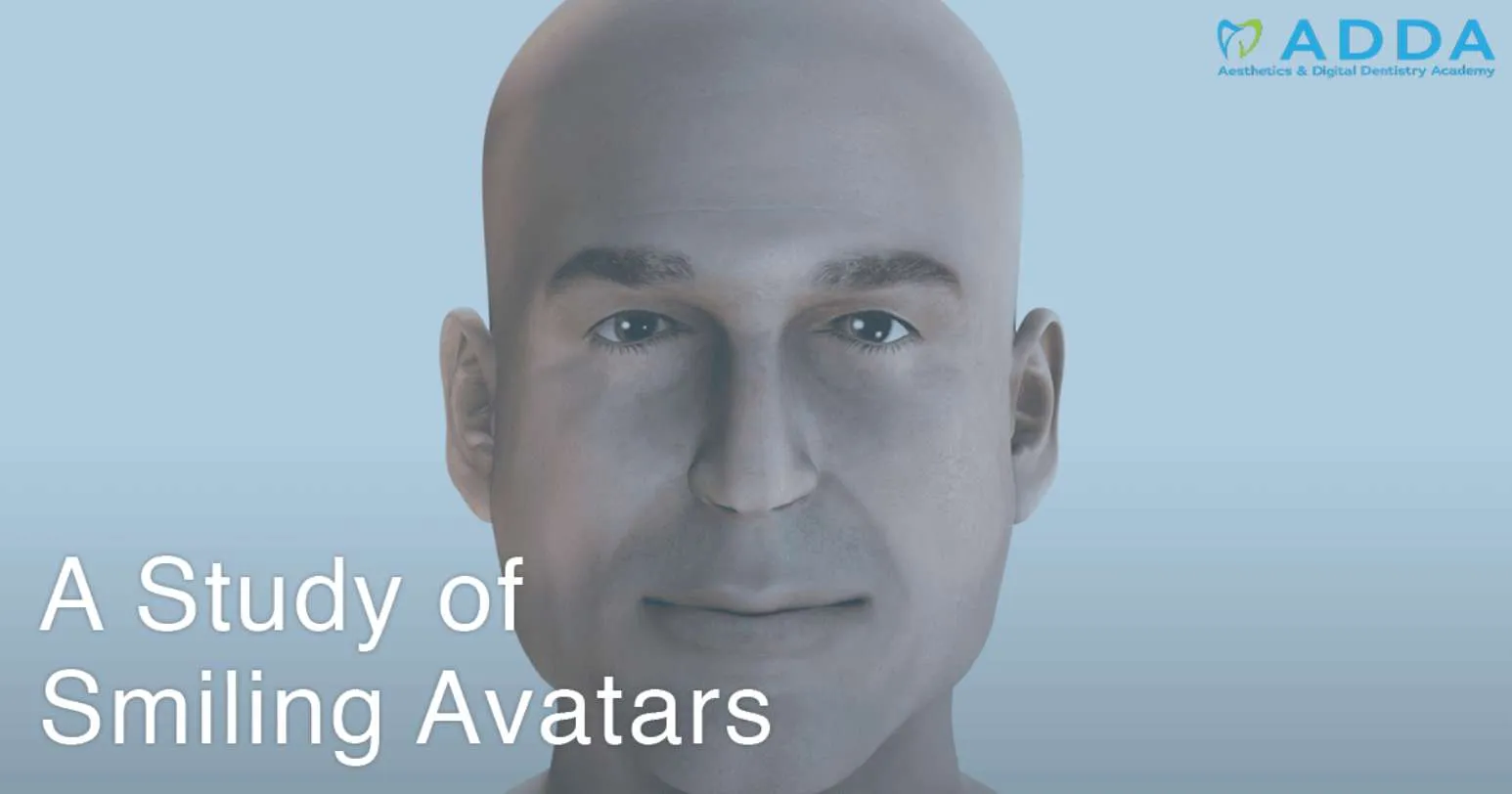
This groundbreaking study represents the first investigation into whether digitally modifying facial expressions in real time could influence emotional responses and perceptions of social presence. Researchers set up experimental scenarios where complete strangers were paired to communicate via digital avatars—virtual representations that could be controlled and adjusted by the researchers.
The key innovation: the research team had the ability to enhance or modify the smiles displayed by the avatars during conversations, allowing them to observe how these changes affected participants’ emotional states and sense of connection without the participants knowing the smiles had been artificially enhanced.
Experimental Findings
The results were striking. When researchers enhanced avatar smiles during conversations, participants came away with significantly more positive feelings about their interaction. Despite not consciously realising their conversation partner’s expression had been modified, people reported:
- Greater satisfaction with the interaction
- More positive emotions during the conversation
- Enhanced sense of connection and rapport
- Improved overall impression of their digital conversation partner
The effect wasn’t overwhelming—it was subtle but consistent. This finding aligns with broader research on facial expressions showing that smiles genuinely influence emotional perception, even when experienced through a digital intermediary.
Implications for Computer-Mediated Communication
The study reveals an important truth: computer-mediated communication allows people to actively manage their perceived appearance in ways that weren’t possible in pre-digital communication. Where in-person conversations fixed your facial expression in the moment (barring conscious effort), digital communication opens new possibilities.
This has significant implications for various applications:
- Video conferencing platforms could incorporate subtle smile-enhancement features to improve meeting dynamics
- Virtual reality environments could use similar technology to enhance social presence
- Online dating and social apps might employ expression-enhancement tools
- Customer service interactions could benefit from optimised avatar expressions
The Psychology Behind the Smile
The findings underscore what psychologists have long understood: smiles are powerful social signals. A smile signals friendliness, openness, and positive emotion. When we see a smile—even one belonging to a digital representation of a stranger—our brain interprets it as a positive social cue and responds with improved mood and greater receptiveness.
The beauty of digital avatars is that they can be optimised in ways human faces cannot. While we can consciously try to smile more broadly or genuinely, avatars can have their expressions adjusted with perfect consistency and precision.
Looking Forward
This research opens intriguing questions about the future of digital communication. As virtual meetings, online learning, and digital socialising continue to grow, understanding how to optimise these interactions becomes increasingly valuable. The humble smile—enhanced by technology—might be a surprisingly simple tool for improving the quality and satisfaction of our increasingly digital social lives.
Whether you’re attending your next video meeting or participating in virtual social events, remember: the smile you see on screen might be more carefully crafted than you realise, and that’s not necessarily a bad thing.