
Aesthetic Dentistry's Vital Role in Overall Health
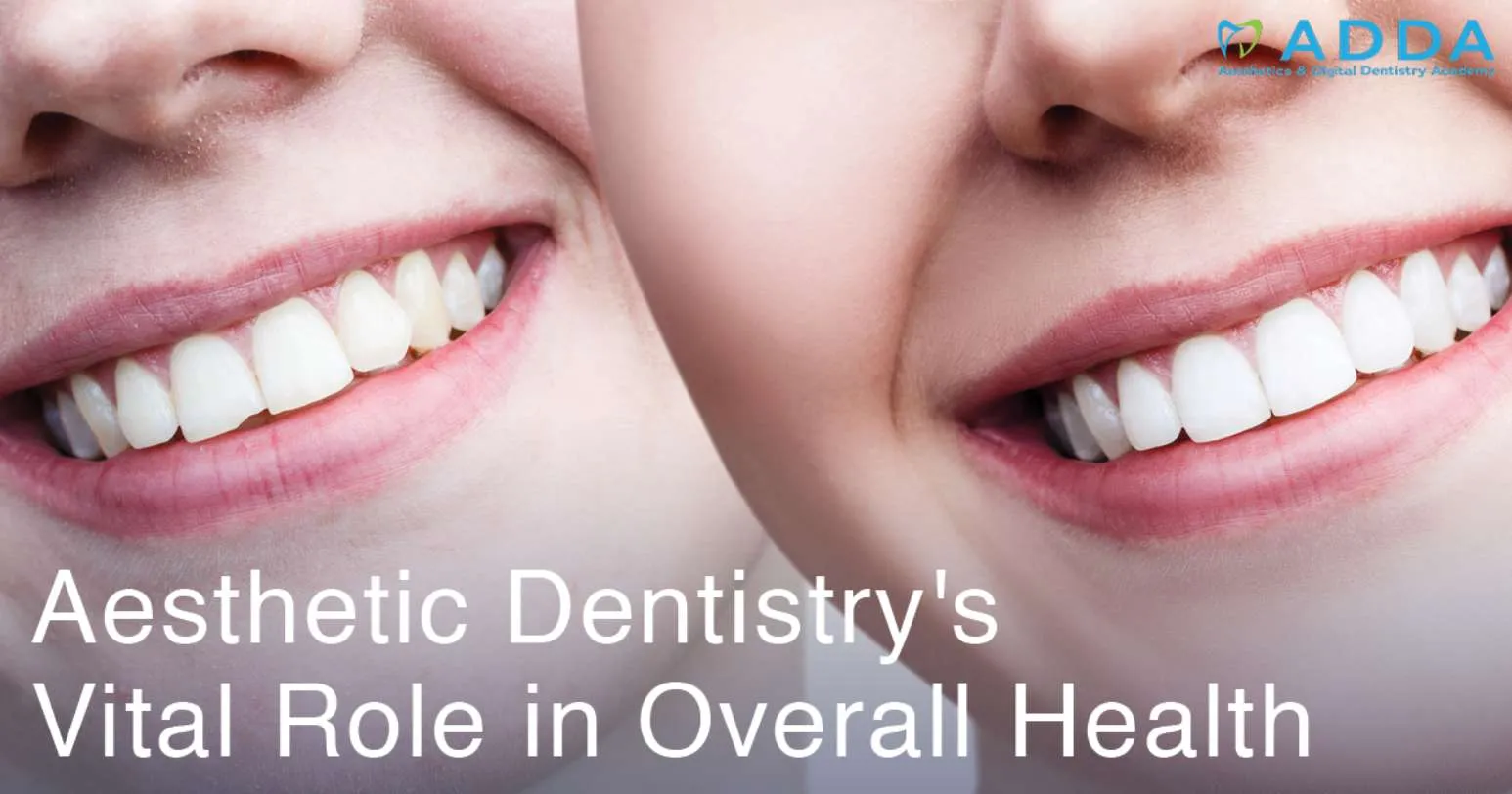
Beyond Vanity: Why Aesthetic Dentistry Matters
Aesthetic dentistry is often dismissed as vanity—a cosmetic indulgence for those concerned with superficial appearances. This misconception misses the profound truth: aesthetic dentistry is fundamentally about health, function, and wellbeing. A beautiful smile is the visible result of proper dental care and aligned bite mechanics that support overall bodily health.
The lack of quality dental care doesn’t just affect your appearance—it impacts your entire body. From physical health to mental wellbeing to professional success, your smile touches every aspect of your life. Understanding aesthetic dentistry’s true role illuminates why investing in your smile is investing in yourself.
Oral Hygiene and Disease Prevention
One of aesthetic dentistry’s primary benefits is that it encourages meticulous oral hygiene. When you’ve invested in improving your smile, you’re naturally motivated to maintain it. This increased attention to brushing, flossing, and professional cleanings creates a foundation for preventing tooth decay, gum disease, and the systemic inflammation these conditions trigger.
Poor oral hygiene leads to plaque buildup, bacterial infection, and inflammatory disease. These aren’t isolated to your mouth—oral bacteria and inflammatory markers enter the bloodstream, contributing to heart disease, diabetes complications, respiratory infections, and other systemic health problems. Aesthetic dentistry’s emphasis on appearance paradoxically leads to better preventive care that protects your whole-body health.
Correcting Bite Problems
Beyond appearance, aesthetic dentistry addresses functional bite problems (malocclusion) that significantly impact health:
- Chewing difficulty: Misaligned teeth make it harder to properly chew food, affecting digestion
- Jaw joint stress: Poor alignment strains the temporomandibular joint (TMJ), causing pain and dysfunction
- Sleep disorders: Bite problems can contribute to sleep apnoea and breathing difficulties
- Headaches and migraines: Jaw misalignment is a documented trigger for chronic headaches
Orthodontic treatments like Invisalign, veneers, and other aesthetic procedures often correct these functional problems simultaneously with improving appearance.
Teaching Lifestyle Awareness
Quality aesthetic dentistry involves education. A skilled cosmetic dentist discusses not just the teeth themselves but the lifestyle factors affecting them:
- Nutritional choices and their impact on tooth strength
- Hydration and saliva production
- Smoking, alcohol, and other habits that damage teeth and gums
- Stress management (jaw clenching and grinding)
- Sleep quality and its systemic health implications
This holistic education often catalyses broader lifestyle improvements that extend far beyond dental health.
Reconstructive Work After Accident or Injury
Aesthetic dentistry isn’t always elective. Patients who’ve suffered facial trauma, accidents, or birth defects often require reconstructive dental work. Beyond restoring function, skilled aesthetic dentistry restores:
- Normal facial structure and balance
- The ability to eat and speak properly
- Psychological confidence and social reintegration
- Professional capability (some jobs depend on clear speech and normal appearance)
For these patients, aesthetic dentistry is genuinely reconstructive—returning them to physical and social normalcy.
Addressing Speech Disorders and Articulation
Dental problems can affect speech and articulation in ways many people don’t realise:
- Missing teeth create sound distortions
- Misaligned bite affects tongue positioning
- Severe crowding changes how air flows during speech
Aesthetic dentistry that corrects these problems often improves speech clarity, reducing social anxiety and improving professional communication.
Managing TMJ and Teeth Grinding
Temporomandibular joint (TMJ) disorders often stem from bite misalignment and stress-induced teeth grinding. Aesthetic dental procedures that correct bite problems—orthodontics, veneers, dental implants—can alleviate TMJ pain and prevent damage from grinding.
By providing a proper bite relationship, aesthetic dentistry reduces both the trigger and the damage from these common problems.
Preventing Small Problems from Becoming Severe
Early aesthetic intervention often prevents cascading dental problems. For example:
- A slightly chipped tooth can be repaired with a small veneer, preventing larger fractures later
- Mild crowding can be corrected with Invisalign before it worsens
- Early discolouration can be addressed with whitening before deeper staining sets in
Addressing minor issues prevents them from becoming major, costly problems—saving money, time, and tooth structure.
Opening the Path to Personal Success
While it might seem shallow, there’s genuine research supporting a profound truth: people with attractive smiles experience real advantages:
- Professional opportunities: Studies show people with attractive smiles are perceived as more competent and trustworthy
- Social confidence: A smile you’re proud of increases willingness to interact socially, opening relationship opportunities
- Mental health: Improved self-image from aesthetic improvements reduces anxiety and depression
- Quality of life: Simply enjoying your smile—seeing it in photos, feeling confident speaking—improves daily wellbeing
These aren’t trivial benefits. A confident smile can change how you move through the world.
The Integrated Health Picture
Aesthetic dentistry is best understood not as vanity but as integrated health care:
- Physical health: Proper bite, healthy gums, strong teeth, and preventive care
- Functional health: Ability to chew, speak, and breathe properly
- Systemic health: Reduced oral inflammation preventing heart disease, diabetes complications, and other systemic problems
- Mental health: Improved confidence, reduced anxiety, better social engagement
- Lifestyle health: Better nutrition, reduced stress, improved self-care habits
When viewed holistically, aesthetic dentistry is about optimising your entire wellbeing.
Taking Action
If you’ve been dismissing aesthetic dentistry as unnecessary or vain, consider reframing it: investing in your smile is investing in your health, function, confidence, and future. Whether that means straightening teeth with Invisalign, brightening your smile with whitening, closing gaps with implants, or reshaping your gums with modern techniques, each intervention supports not just how you look but how you feel and function.
The most beautiful smile is a healthy one—and the ripple effects of that health extend throughout your life.