
Ministry of Health Recognises the Lack of Locally Trained Singapore Dentists
Singapore’s Dental Workforce Crisis
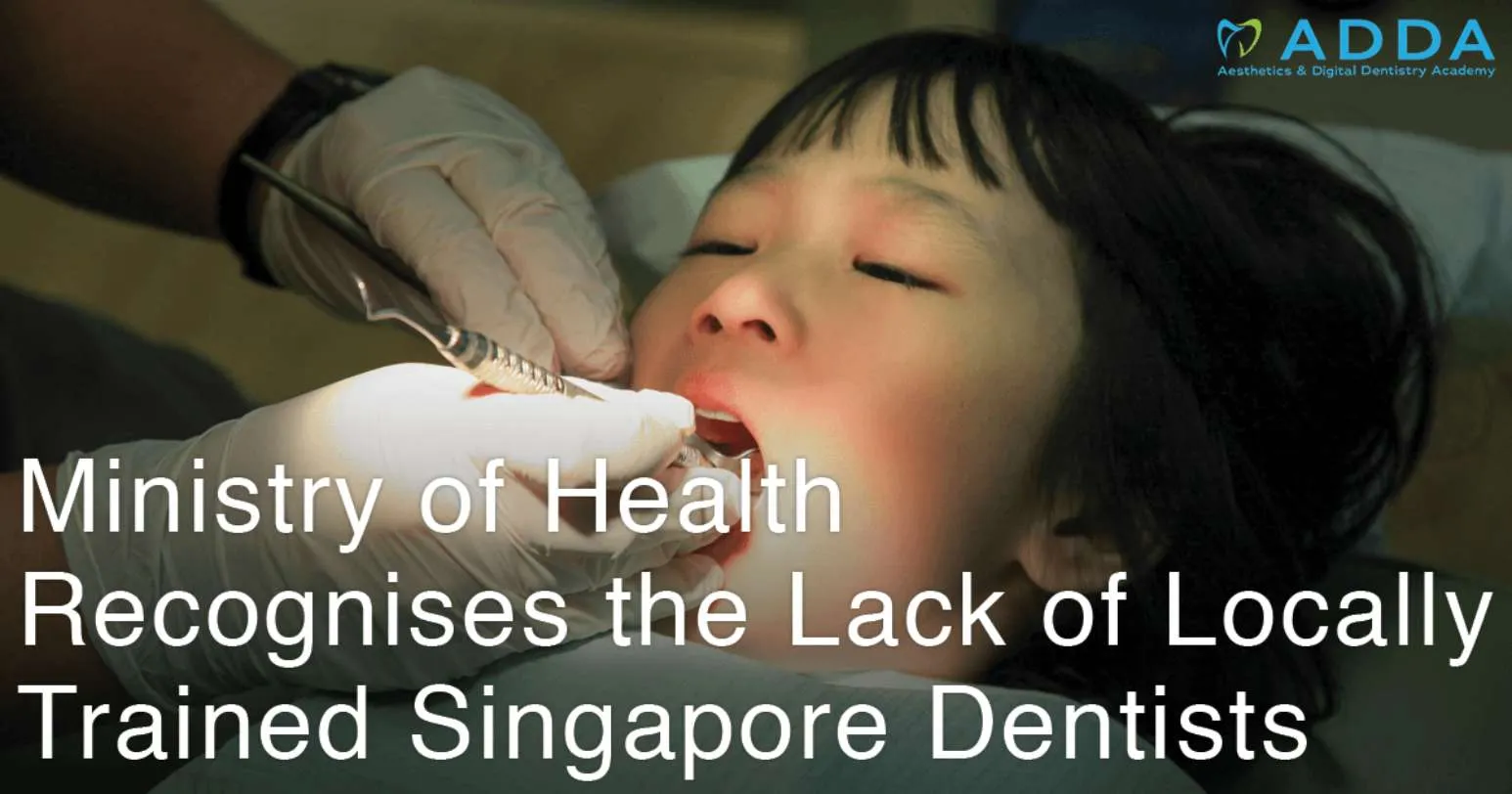
Singapore’s dental industry faces a critical challenge: many of the country’s practising dentists are foreign-trained or have relocated from abroad. This growing reliance on overseas talent has prompted the Ministry of Health to take action, recognising the need to build a stronger pipeline of locally trained dental professionals.
The demand for dental services in Singapore has surged dramatically over the past decade, driven by rapid population growth and an increasingly ageing demographic. As Singaporeans live longer, their dental care needs become more complex and urgent. This rising demand has exposed a significant gap in the local workforce, forcing healthcare institutions to recruit heavily from overseas markets.
The Current State of Dental Training
Associate Professor Patrick Tseng, a leading voice in Singapore’s dental sector, emphasises that the demand for dental services is not only increasing in volume but also evolving in nature. Patients are seeking more sophisticated treatments—from cosmetic dentistry to complex restorative procedures—requiring highly skilled practitioners.
A troubling statistic underscores the problem: less than half of newly registered dentists each year have been locally trained. This means that Singapore is becoming increasingly dependent on foreign dentists to meet healthcare demands, which raises concerns about sustainability, cultural competency, and the development of a self-sufficient dental system.
MOH’s Response: Boosting Local Training
In response to this crisis, the Ministry of Health has announced a significant expansion of dental education capacity. The National University of Singapore (NUS), which operates the country’s primary dental training programme, will increase its annual student intake from 48 to 80 students—a 67% increase. This ambitious expansion aims to grow Singapore’s pool of locally trained dentists over the coming years.
The current dentist-to-patient ratio in Singapore stands at approximately 1:2,550, which falls short of the target ratio of 1:2,200. Expanding the training pipeline is essential to bridge this gap and ensure that all Singaporeans have equitable access to quality dental care.
What This Means for Patients
For patients seeking dental services, MOH’s investment in local training has several important implications. First, it signals a commitment to building a robust, sustainable healthcare system that doesn’t rely solely on imported talent. Second, it promises more practitioners who understand local health systems, patient demographics, and cultural nuances. Finally, increased supply should eventually improve access to affordable, quality dental care across the island.
The expansion of the NUS dental programme is a forward-thinking policy that recognises both the challenges of today and the opportunities of tomorrow. By investing in local talent, Singapore is taking a proactive step towards ensuring every citizen has access to world-class dental care delivered by highly trained, locally educated professionals.