
Study: Strategies To Manage Patients With Dental Anxiety And Dental Phobia
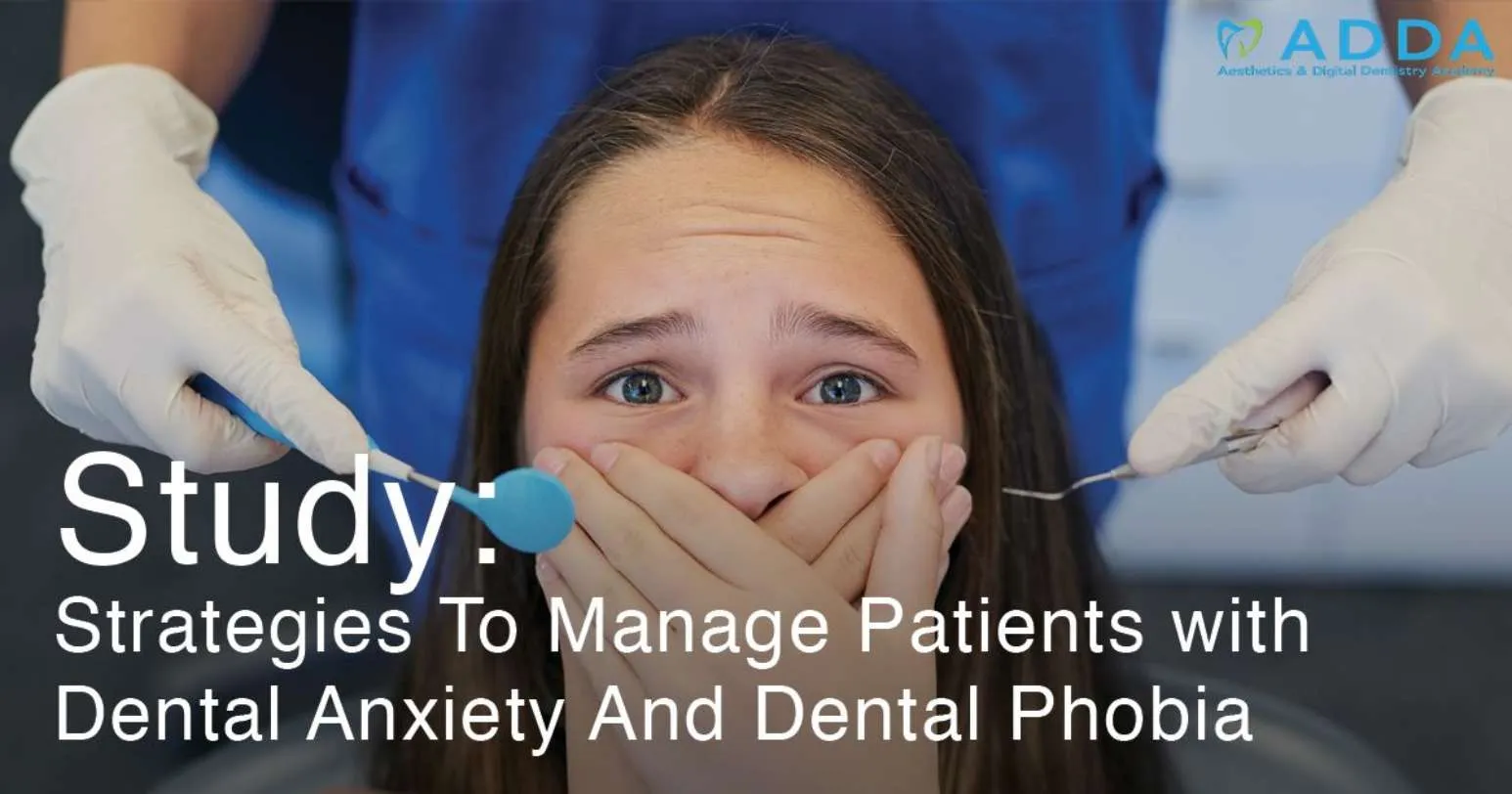
Understanding the Problem
Dental anxiety and phobia affect a significant portion of the population—research suggests that 8-15% of adults experience dental phobia severe enough to avoid dental treatment entirely, while 30-40% experience moderate anxiety about dental visits. This avoidance behavior leads to serious consequences: untreated decay, advanced gum disease, and emergency-only dental care.
The challenge for dentists is multifaceted: anxious patients are more likely to cancel appointments, move quickly, be less cooperative, and experience elevated stress hormones that can complicate treatment. Modern dental practice requires not just technical skill, but also expertise in managing patient psychology and anxiety.
Recent research and clinical studies have identified evidence-based strategies that significantly improve outcomes with anxious and phobic patients. Qualified dentists who implement these approaches report higher patient satisfaction, better treatment outcomes, and improved practice efficiency.
Strategy 1: Creating a Calm Environment
The physical and emotional environment significantly impacts patient anxiety levels.
Environmental Design:
- Lighting: Soft, warm lighting reduces stress compared to harsh clinical lighting
- Sound: Gentle background music or nature sounds mask drill noise and create a calming atmosphere
- Aromatherapy: Some practices use subtle scents like lavender to promote relaxation
- Comfortable Temperature: Maintaining proper operatory temperature reduces discomfort
- Minimized Clinical Appearance: Decorating operatories with artwork and plants rather than displaying instruments creates a less threatening environment
Reception Area Impact:
- Friendly, welcoming staff interactions begin anxiety management before the patient enters the clinical space
- Private waiting areas reduce the anxiety of sitting among other patients
- Comfortable seating and calming décor set positive expectations
Strategy 2: Explaining Procedures Beforehand
Many anxious patients fear the unknown. Detailed pre-procedural explanation significantly reduces anxiety.
What Research Shows:
- Patients who receive thorough explanations before treatment report 30-40% less anxiety
- Understanding what will happen reduces fear and increases sense of control
- Clear explanations improve compliance and reduce patient movement during procedures
Effective Communication Strategies:
- Simple Language: Avoid technical jargon or explain it clearly
- Step-by-Step Walkthrough: Describe exactly what will happen, in order
- Sensory Description: Explain what the patient will see, hear, feel, and smell
- Reassurance: Emphasize safety measures and your experience
- Time Estimates: Letting patients know how long procedures will take reduces anxiety about unexpected length
Strategy 3: Using Distraction Techniques
Redirecting patient attention away from the dental procedure significantly reduces anxiety.
Proven Distraction Methods:
- Ceiling-Mounted Screens: Showing movies, nature documentaries, or relaxing videos engages visual attention
- Headphones: Music or audio books provide both distraction and sound masking
- Virtual Reality: Emerging technology allowing complete immersion in calming environments
- Visualization: Guiding patients to imagine peaceful places during treatment
- Hand Signals: Using pre-arranged signals so patients can indicate when to pause—giving them a sense of control
Studies show that effective distraction reduces pain perception and anxiety by up to 50% in some cases.
Strategy 4: Offering Sedation Options
For patients with severe anxiety, various sedation modalities may be appropriate:
Nitrous Oxide (Laughing Gas):
- Mild sedative with anxiolytic properties
- Rapid onset and offset
- Combines with oxygen for safety
- Patient remains conscious and responsive
- Most commonly used in general dentistry
Oral Sedation:
- Medication given before the appointment
- Moderate sedation providing anxiety relief and some memory loss
- Requires proper monitoring and specialized training
Intravenous (IV) Sedation:
- Deeper sedation for severe phobia or complex procedures
- Requires anesthesia training and monitoring equipment
- Provides amnestic effect so patients don’t remember the procedure
General Anesthesia:
- Reserved for severe cases or complex surgical procedures
- Requires hospital-based settings and anesthesiologist involvement
The availability of sedation options gives both dentist and patient confidence that treatment can proceed safely.
Strategy 5: Building Trust Gradually
Phobic patients benefit from a gradual approach that builds confidence over time.
Trust-Building Strategies:
- Shorter Initial Appointments: Brief visits allow patients to become comfortable with the environment and staff
- Non-Invasive First Visits: Cleaning, examination, and conversation establish rapport without clinical procedures
- Consistent Provider: The same dentist and staff build familiarity and trust
- Keeping Promises: Always delivering on commitments (time estimates, painless procedures) establishes credibility
- Listening Actively: Acknowledging patient concerns validates their feelings and demonstrates respect
Patients who feel genuinely heard and respected by their dental team are significantly more likely to continue treatment.
Strategy 6: Using the Tell-Show-Do Technique
This classic behavioral approach is particularly effective with anxious patients:
The Process:
Tell: Explain the procedure verbally using non-threatening language
- “I’m going to clean the tartar off your teeth using an ultrasonic scaler”
- “You’ll feel vibration and hear a high-pitched sound”
- “You might taste some water spray”
Show: Demonstrate the instrument and the sensation on a non-sensitive area first
- Use the scaler on a back tooth where sensation is less critical
- Demonstrate the water spray
- Let the patient feel the vibration at low power
Do: Proceed with the actual procedure
- The patient now knows exactly what to expect
- Anxiety is significantly reduced
- Patient cooperation typically improves
This three-step approach transforms anxiety-inducing surprise into controlled, expected experience.
Additional Management Strategies
Pre-Appointment Communication:
- Phone or email reminders with encouragement
- Asking patients to arrive early for relaxation time
- Avoiding scheduling anxious patients at stressful times (end of day when late may increase anxiety)
Staff Training:
- Training all staff in anxiety-sensitive communication
- Teaching team members to recognize and respond to anxious body language
- Developing protocols for managing patient panic attacks
Behavior Modification:
- Positive reinforcement for cooperative behavior
- Praising patient progress and bravery
- Celebrating successful appointments
Addressing Root Causes:
- Inquiring about prior negative experiences
- Understanding specific fears (needles, pain, loss of control)
- Tailoring approach to specific anxieties
Evidence-Based Outcomes
Research demonstrates that implementation of these strategies yields measurable improvements:
- 40-60% Reduction in Anxiety Scores: Patients using structured anxiety management protocols report significantly lower anxiety
- Improved Attendance: Patients with managed anxiety are more likely to keep appointments
- Better Cooperation: Reduced movement and fidgeting during procedures
- Positive Word-of-Mouth: Satisfied patients who had been avoiding treatment become advocates
- Expanded Practice: Dentists known for anxiety management attract phobic patients from other practices
Professional Development
Dentists who specialize in anxiety management often pursue additional training:
- Behavioral Dentistry Courses: Specialized training in psychological approaches
- Sedation Certification: Advanced training in pharmacological anxiety management
- Communication Skills Workshops: Developing empathy and patient communication
- Stress Management: Understanding burnout and developing resilience
Transforming Your Practice
Managing dental anxiety is not just a courtesy—it’s a clinical and business imperative. Phobic patients represent a significant population willing to seek care from dentists who understand and manage their anxiety effectively.
By implementing evidence-based strategies, training your team, and developing genuine empathy for anxious patients, you expand your practice’s reach while providing meaningful patient care. The investment in anxiety management typically returns value through improved patient satisfaction, loyalty, and word-of-mouth referrals.
Dental phobia is treatable. With proper management strategies, even the most anxious patients can receive the care they need to maintain optimal oral health.