
Tools and Accessories for Digital Dental Photography
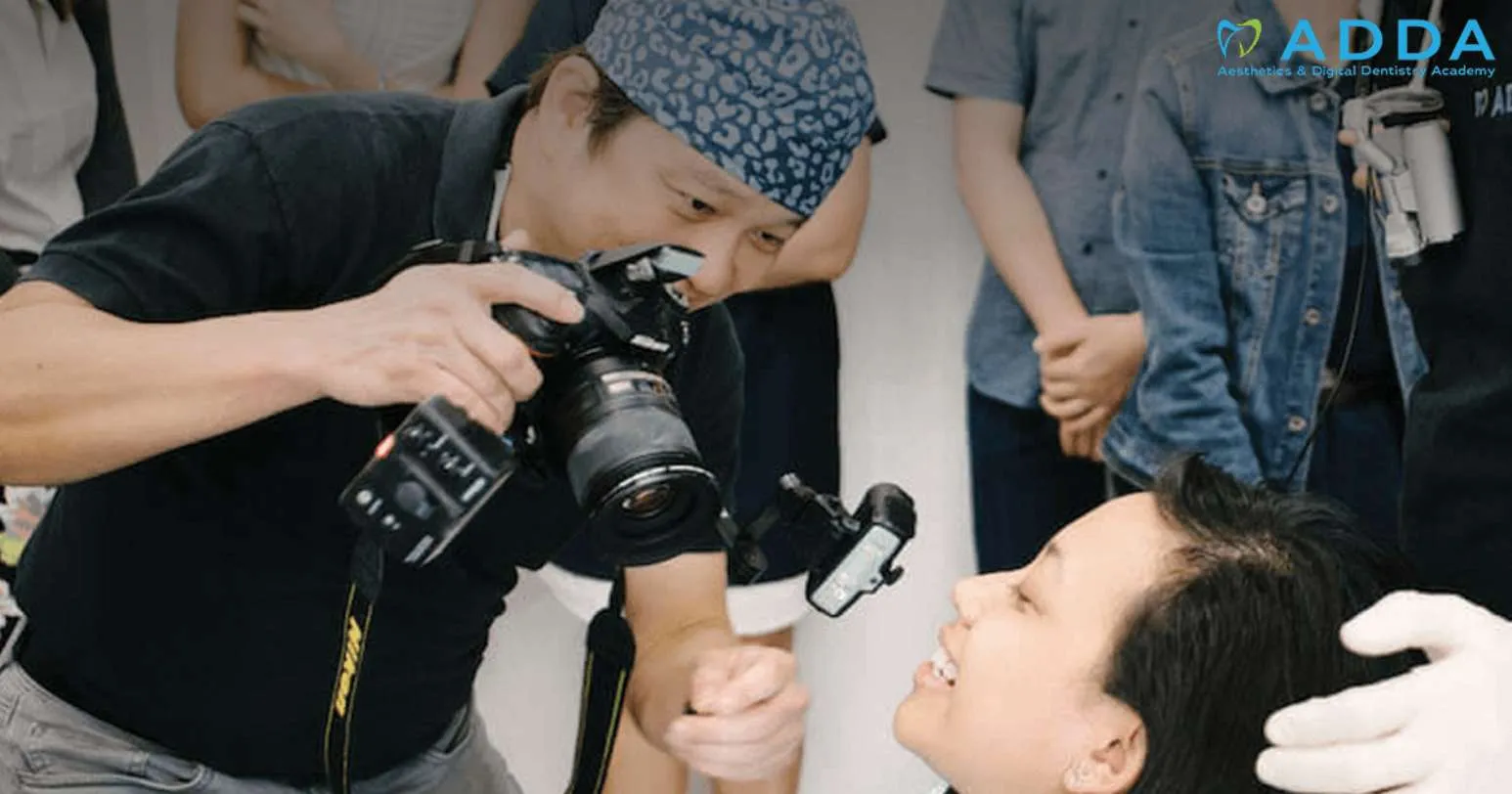
Why Digital Dental Photography Matters
High-quality digital dental photography has become essential to modern dental practice. Sharp, well-lit photos serve multiple critical purposes:
- Treatment Documentation: Creating a visual record of the patient’s condition before, during, and after treatment
- Communication with Labs: Providing dental technicians with accurate color and shade references
- Patient Education: Showing patients their dental problems and helping them understand proposed treatments
- Treatment Planning: Analyzing tooth structure, color, alignment, and smile characteristics
- Legal Protection: Documenting the condition of teeth and any existing problems
- Professional Marketing: Creating portfolio images for practice marketing and patient testimonials
- Quality Control: Tracking your own work and identifying areas for improvement
However, capturing quality dental photographs requires proper equipment and technique. Understanding the tools and accessories available will help you invest wisely and achieve professional results.
Essential Camera Equipment
DSLR or Mirrorless Cameras
Professional dental photography requires an interchangeable lens camera. While smartphone cameras have improved, they cannot match the precision and control of dedicated cameras.
Recommended Specifications:
- Sensor Size: Full-frame or APS-C sensors for superior image quality
- Resolution: Minimum 20 megapixels for detailed captures
- Manual Controls: Aperture, shutter speed, and ISO adjustment
- Flash Capability: Compatibility with external flash systems
Popular models used in dental practice include Canon EOS, Nikon D series, Sony Alpha, and Fujifilm X series.
Macro Lenses
Macro lenses are essential for capturing the intricate details of teeth and oral tissues. These lenses allow 1:1 magnification, capturing subjects at life-size scale.
Optimal Specifications for Dental Photography:
- Focal Length: 90-105mm (most versatile range)
- Maximum Aperture: f/2.8 or wider for better light gathering
- Autofocus: Fast, accurate autofocus for reproducibility
- Minimum Focus Distance: Close focusing capability without excessive magnification
Quality macro lenses from manufacturers like Canon, Nikon, Tamron, and Sigma provide excellent options at various price points.
Lighting Systems
Ring Flash Units
Ring flashes mount around the lens barrel and provide even, shadowless illumination—ideal for detailed dental photography.
Advantages:
- Even Illumination: Eliminates shadows on tooth surfaces
- Consistent Color Rendering: Provides predictable, repeatable lighting
- Compact: Doesn’t require additional equipment or positioning
- TTL Metering: Automatic exposure control
Popular ring flash systems include Canon’s Macro Ring Lite and third-party options from Neewer or Altura.
External Flash with Diffusers
Some dentists prefer external flash units with diffusers for greater control and flexibility. This approach allows:
- Directional Control: Positioning light sources to emphasize tooth contours
- Intensity Adjustment: Controlling flash power for different situations
- Diffusion: Softening light to reduce glare and reflections
Intraoral Accessories
Intraoral Mirrors
Intraoral mirrors (also called mouth mirrors) allow visualization and photography of difficult-to-access areas like posterior teeth and palatal surfaces.
Key Features:
- Anti-fog Coating: Prevents condensation that obscures the mirror
- True Reflection: Front-surface mirrors provide accurate representation without magnification distortion
- Durable Construction: Stainless steel or coated surfaces resist corrosion
Lip Retractors
Proper retraction of lips and cheeks is essential for clear anterior tooth photography. Gentle retraction exposes teeth fully while maintaining natural aesthetics.
Retractor Types:
- Soft Tissue Retractors: Rubber or plastic designs that gently push back tissues
- Cheek Retractors: Specifically designed for lateral access to posterior teeth
- Patient-Friendly Options: Designs that minimize patient discomfort during photography
Contrasters
Contrasters are materials placed behind or around teeth to improve visual definition. Common options include:
- Black or Dark Gray Background: Creates contrast that makes teeth appear whiter
- Shade Guide Contrasters: Proprietary systems that provide standardized backgrounds
- Tissue Retraction with Contrast: Specialized retractors that incorporate contrasting backgrounds
Software and Post-Processing
While not “tools” in the traditional sense, digital workflow software is essential:
Image Organization: Software that catalogs photos by patient and date Color Management: Ensuring accurate color representation for shade matching Basic Editing: Adjusting exposure, contrast, and removing artifacts Archiving: Secure storage for patient records and medicolegal protection
Popular options include Adobe Lightroom, Capture One, or practice management software with integrated image libraries.
Setting Up Your Dental Photography System
Budget Considerations
A professional dental photography setup requires investment:
- Camera Body: $800–$2,500
- Macro Lens: $600–$1,200
- Lighting: $300–$1,000
- Accessories (mirrors, retractors, contrasters): $200–$500
Total Investment: $2,000–$5,000 for a complete system
This investment typically pays for itself through improved treatment planning, better patient communication, and professional marketing opportunities.
Technique Development
Investing in equipment is only half the battle. Developing proper technique requires:
- Practice: Consistent practice with your equipment to master settings
- Training: Many dental schools and continuing education programs offer workshops
- Standardization: Establishing consistent positioning, lighting, and backgrounds
- Quality Control: Regularly reviewing your photos for improvement
The Impact of Professional Photography
Practices that implement professional dental photography report:
- Improved Patient Communication: Patients better understand their conditions and treatment options
- Better Lab Communication: Technicians receive accurate shade and anatomy references
- Enhanced Reputation: High-quality marketing images differentiate your practice
- Better Outcomes: Detailed baseline photos help track treatment success
- Medicolegal Protection: Documentation of pre-existing conditions and treatment progress
Digital dental photography represents a significant but valuable investment in modern practice management and patient care. With proper equipment and technique, you’ll capture images that enhance treatment outcomes and practice efficiency.